Quantcast
Berkeley Lab

Why do I have to take training to be approved as a QEW?

Training is actually part of the definition of a qualified person.

One who has demonstrated skills and knowledge related to the construction and operation of electrical equipment and installations, has received safety training to identify and avoid the hazards involved, and who has been approved or accepted by the Electrical AHJ for Safe Work Practices.

Not only is training required as part of the regulatory requirements, it ensures that workers are knowledgeable of the work practices necessary to avoid electrical hazards.
Why is QEW training so long? After all, I’m not trying to be an electrician!

Skills and knowledge of electrical equipment, installations, and methods generally comes from years of training and experience. For example, most electrician apprenticeship programs are four(4) or five(5) year programs that require approximately 8000 hours of work experience (on-the-job training), and between 600 and 800 hours of classroom training (depending on the specialty) during the program. Adding or changing specialties usually requires additional on-the-job and classroom training in most states. But many QEWs are not, and don’t want to be, electricians. While we can validate skills and knowledge through documented adult education programs and on-the-job experience and training, the third key part of qualification is safety training.

The training required for QEW status is about gaining skills and knowledge to perform the task safely. We need to ensure that all QEWs have at least a minimal knowledge of the hazard exposure, and how to perform their work in a manner safe for not only themselves, but those working around them.

What can I do if I’m not a QEW, and don’t want to become a QEW?

If you’re not a QEW, first and foremost, don’t do QEW-level work!

If you have equipment needs, contact Engineering QEW support.

Call Electronics Central Shop, x6222

Alternatively, contact your Division Safety Coordinator (third link under Programs/Liasons/Coordinators).

If you have Facilities needs, contact the Facilities Work Request Center.

Call Work Request Center, x6274, or EMAIL.

Alternatively, contact your Division Safety Coordinator (third link under Programs/Liasons/Coordinators) or Building Manager.

If you’re not sure who you need, or feel something electrical is unsafe, contact the EHS Electrical Safety Group.

Eaton Electrical Meter Breakers Recall

Both Meter Breakers_LARGEMBED Safety Recall

Recall Date: December 2, 2014
Recall Number: 15-710

Eaton Recalls Electrical Meter Breakers Due to Shock Hazard (Recall Alert)

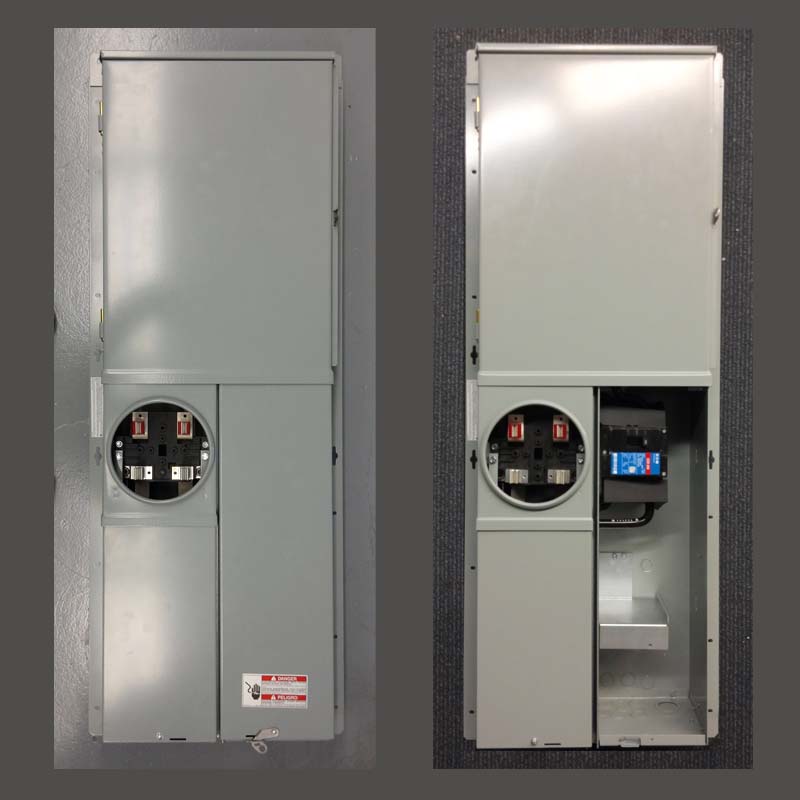
This recall involves MBED 3042 series residential meter breaker. The meter breakers are service entrance equipment systems that consist of a single meter socket and load center or a meter socket and main breaker combined in one enclosure. The meter breakers have gray metallic enclosures and measure about 14¼ inches wide by 42½ inches high by 7 inches deep. The recalled units have catalog numbers MBED3042B200BF, MBED3042B200BF6, MBED3042B225PV or MBED3042PV200BF. The catalog number is located on the unit’s packaging. The enclosures have a single warning label on the bottom of the lower right compartment door, which is secured with a latch and hasp at the bottom. Consumers should not open the meter breaker’s enclosure.

Units were sold at authorized distributors in California and Nevada from July 2014 through August 2014.

See additional information on the recall on the Eaton web site HERE.

Electric Space Heater Safety

PUB-3000 requirements about space heaters can be found in the Fire Protection chapter of PUB-3000 (Chapter 12, Work Process I). Contact the Fire Marshal, Michael Torkelson (x 4906, mjtorkelson@lbl.gov) if you have any questions or concerns.

IMPORTANT: Always consult with your local Facilities Area Manager (FAM) before purchasing or plugging in an electric space heater.

During cold weather, you might feel the need to use a portable electric space heater in your work area. We should try to avoid the use of space heaters due to power consumption and fire safety concerns. However, if you must use a space heater, consider the following safety requirements.

Minimum Safety Features

  • Use only GROUNDED type (cord with three-prong plug) or double insulated, and listed and marked by a Nationally Recognized Testing Laboratory (NRTL) such as Underwriter’s Laboratories (UL).
  • Heaters must AUTOMATICALLY SHUT OFF when tipped forward or backward, or have an overheat protection switch. (Tip-over switches should be tested annually by tilting the space heater while it is turned on. If the switch functions properly, the unit will shut off automatically).  Zero-Clearance [from combustible material] heaters listed as such by an NRTL are also acceptable.
  • Keep heaters clean, NOT covered with dust.
  • Maintain cords in good condition (e.g., intact insulation, grounding pin in place, not frayed).

Usage

  • Always read and follow manufacturers’ operating instructions before operating the heater.
  • Always TURN OFF the heater or UNPLUG it when you leave the office for an extended period (i.e., meeting, lunch, and at the end of the day).
  • Do not try to use a portable space heater to heat the entire suite or floor. Portable electric heaters are designed for use as supplemental heat for a single room or small area. They should provide temporary heat only.
  • Contact the Building Manager to have the building heating system inspected and adjusted if the heating requirement is permanent, or if multiple persons within the office suite or space are using electric portable space heaters to supplement the heat in the same area.
  • Contact the Building Manager in the event a space heater causes the circuit breaker to trip. This indicates that the circuit is being overloaded.

Placement

  • Do not plug a heater into extension cords or plug strips. It must be plugged into a permanent wall outlet. If a new wall outlet is needed, contact the Building Manager to have a wall outlet installed.
  • Place the heater on a level and sturdy surface.
  • Do not use where flammable or explosive vapors, dusts, or toxic materials may be present.
  • Do not place heaters near combustible materials such as papers, magazines, drapes, or office furniture. Follow manufacturer guidelines for placement of the heater. If no manufacturer guidelines are present, provide at least a 36-inch clearance from all sides, the top, and the back
  • Do not use heaters in or near wet areas such as locker/shower rooms.
  • Do not place a heater in an exit way where the cord can become a tripping hazard.
  • Portable heaters may interfere with the proper control of building HVAC systems. Avoid placing them near thermostats.
  • Never run a power cord under the carpet or floor mat.

Watch this video for additional safety with space heaters, including your home!

PUB-3000 requirements about space heaters can be found in the Fire Protection chapter of PUB-3000 (Chapter 12, Work Process I). Contact the Fire Marshal, Michael Torkelson (x 4906, mjtorkelson@lbl.gov) if you have any questions or concerns. In addition to increasing safety by reducing potential overload conditions, especially in cubicle environments, these requirements are part of the LBNL Management goal to comply with DOE Order 430.2B, and Executive Order 13423.  For additional information, see Sustainable Berkeley Lab, or email the Sustainability Program.

Fluke Recalls

fluke_logo_166px_x_50px


Check here for recalls on Fluke products.

Safety Notice and Recall of Fluke BC1735/EELV Power Adapter

July 25th, 2014Fluke Recall 1

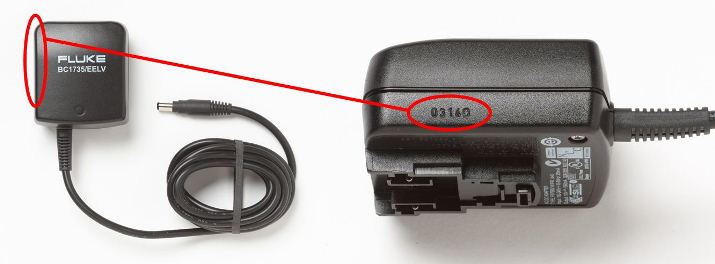
Fluke is voluntarily recalling certain BC1735/EELV Power Adapters which are used with the Fluke-1735 Power Logger. Fluke has determined that in some cases the housing fastening points of the BC1735/EELV Power Adapters shipped between 04/01/2014 and 06/24/2014 may be loose, which may lead to separation of the housing. This risk could result in electrical shock which may cause serious injury.

All BC1735/EELV Power Adapter models with the date code stamp 03140 are affected by this recall. If your power adapter date code has an “N” in front of it (N03140), your adapter has been reworked and is NOT part of the recall.

More detail at the Fluke Web Site


FLUKE_28_II_EX_01Recall of Fluke 28 II Ex Intrinsically Safe True-rms Digital Multimeters

March, 2013

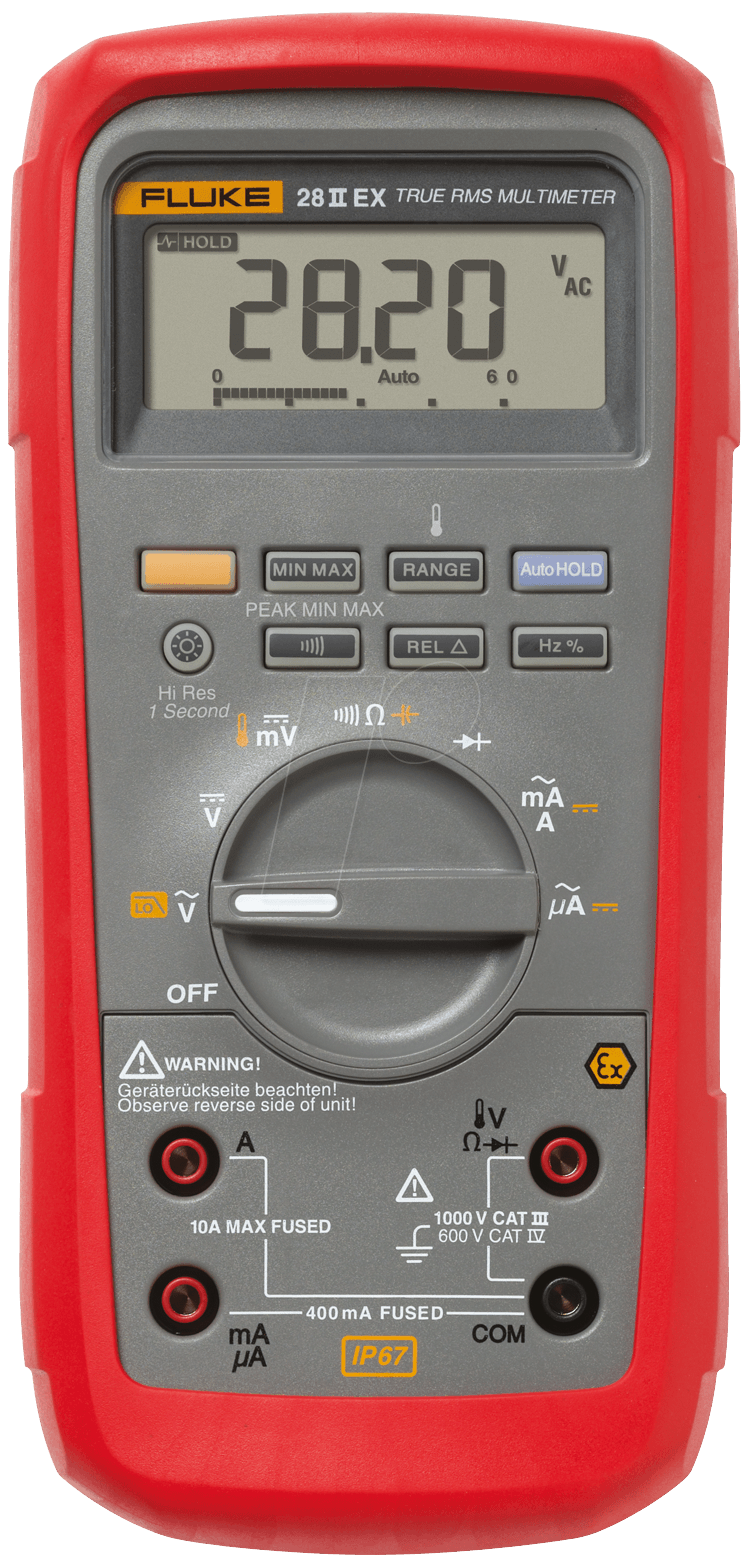
Fluke is voluntarily recalling certain 28 II Ex Intrinsically Safe True-rms Digital Multimeters that were shipped between July 1, 2012 and November 30, 2012.

The Fluke part numbers and serial numbers affected are listed on the Fluke web site HERE.

To determine if your digital multimeter is affected by this recall notice, enter your model and serial number in the box on the Fluke web site and click “Verify.” Any serial number preceded or followed by the letter “R” is not affected by this recall notice.


Recall of Fluke 373, 374, 375 and 376 Digital Clamp MetersFluke Recall 3-2

January, 2013

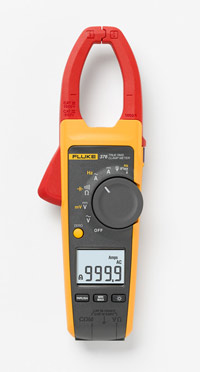
Fluke is voluntarily recalling certain 373, 374, 375 and 376 Digital Clamp Meters that were manufactured between September 1, 2010 and October 31, 2012.

The models and serial numbers affected are listed on the Fluke web site HERE.

To determine if your clamp meter is affected by this recall notice, enter your model and serial number in the box on the Fluke web site and click “Check.” Any serial number preceded or followed by the letter “R” is not affected by this recall notice.